Exploring Different Painting Techniques in Workshops
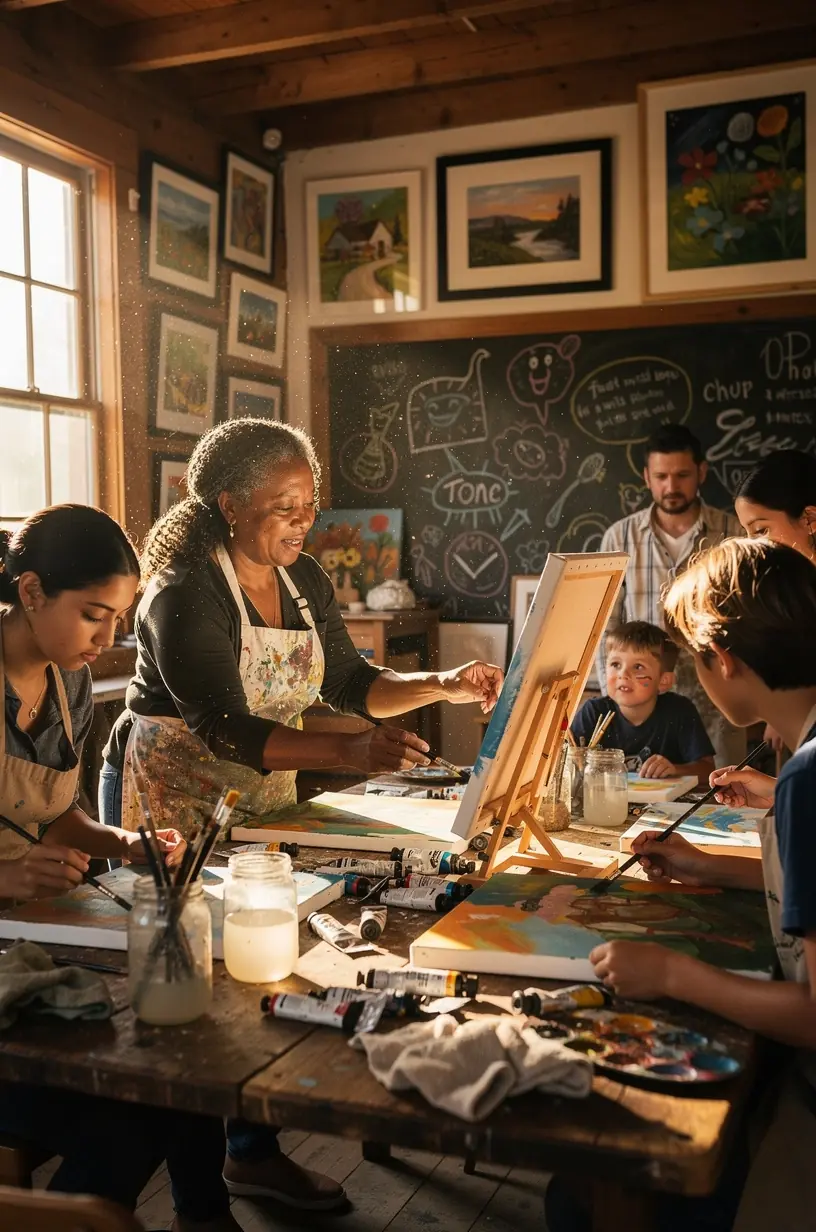
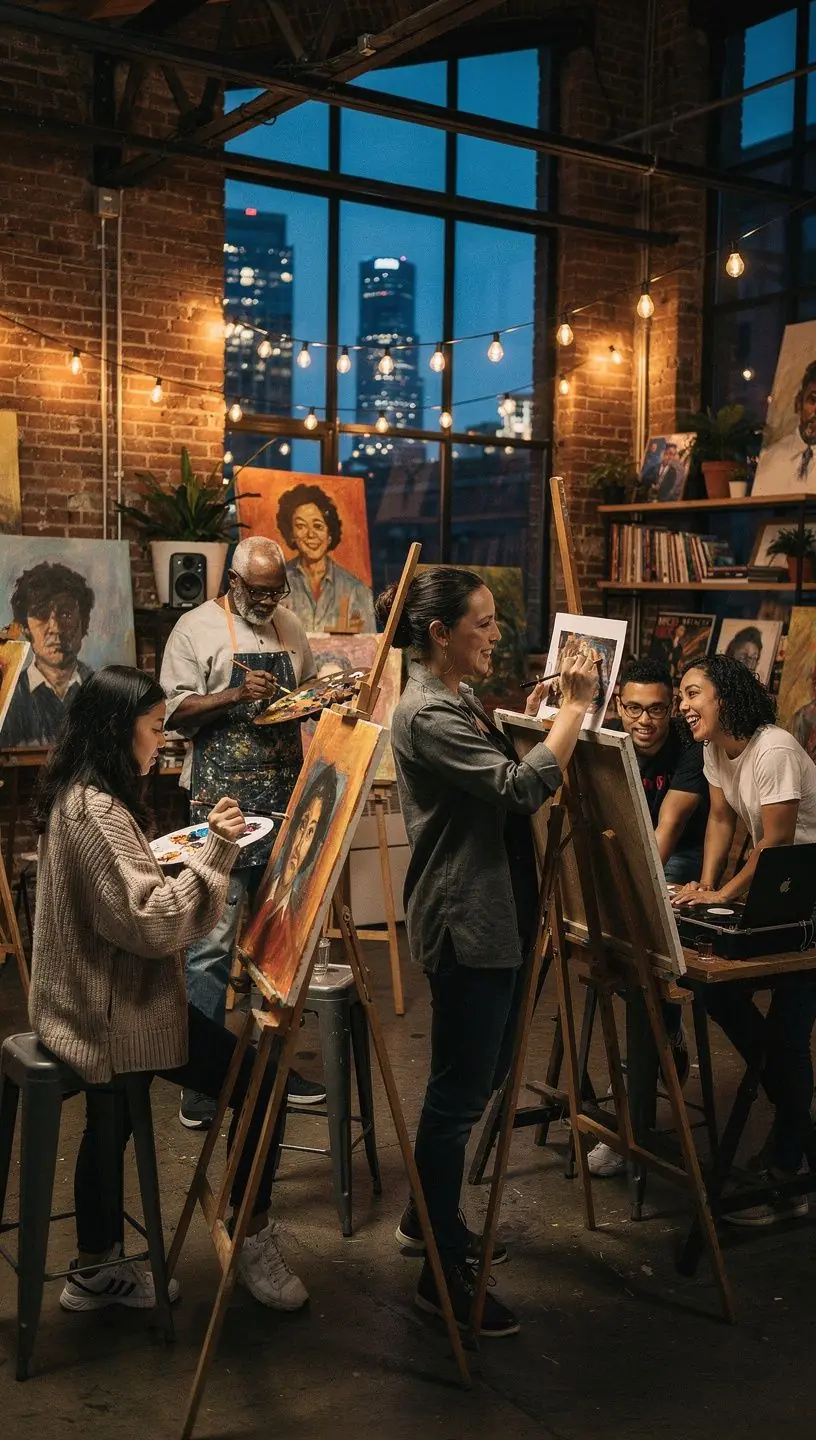
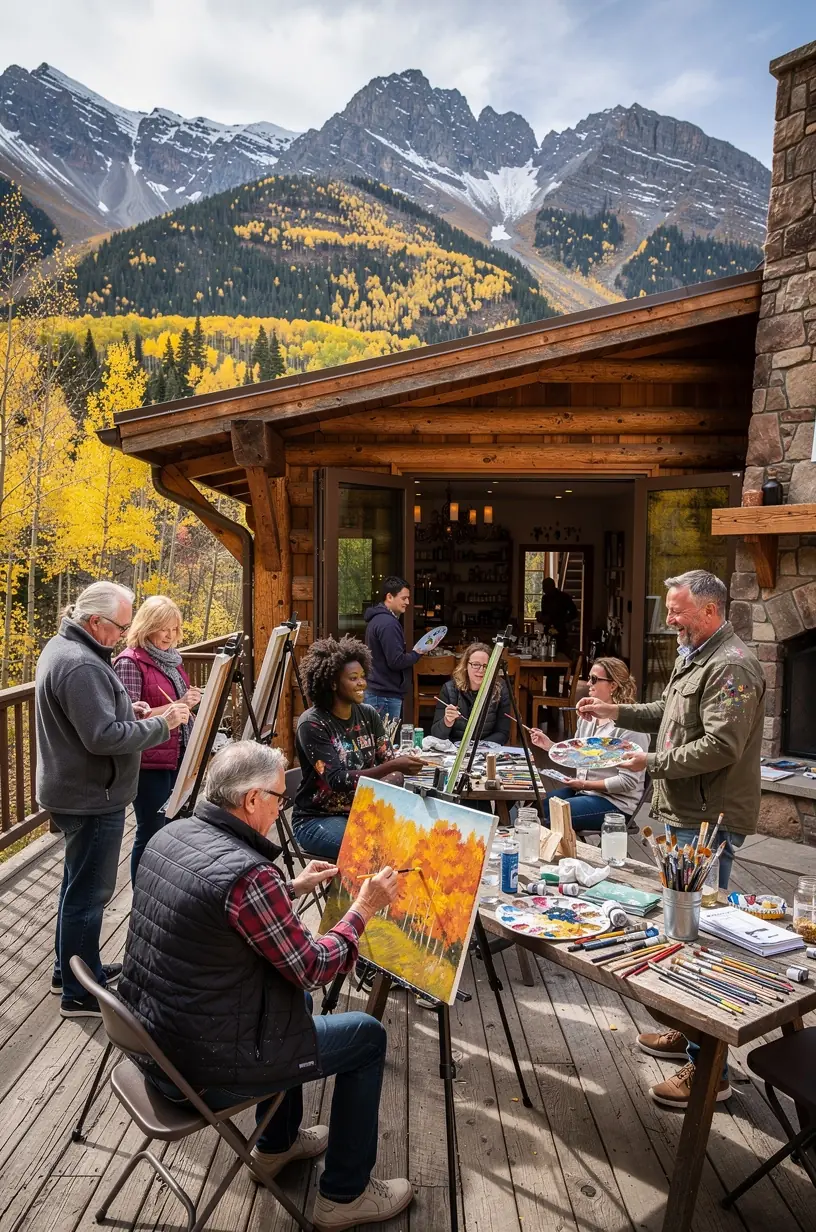
Painting workshops offer an excellent opportunity for artists of all skill levels to explore various techniques in a guided environment. This article delves into popular painting methods often taught in workshops and discusses how these techniques can enhance your artistic practice.
Understanding the Basics of Painting Techniques
Painting techniques can vary widely, but many workshops focus on a few popular methods that have proven effective for learners. These methods can help you develop your skills and express your creativity. According to industry experts, engaging with different styles can also aid in discovering your unique artistic voice.
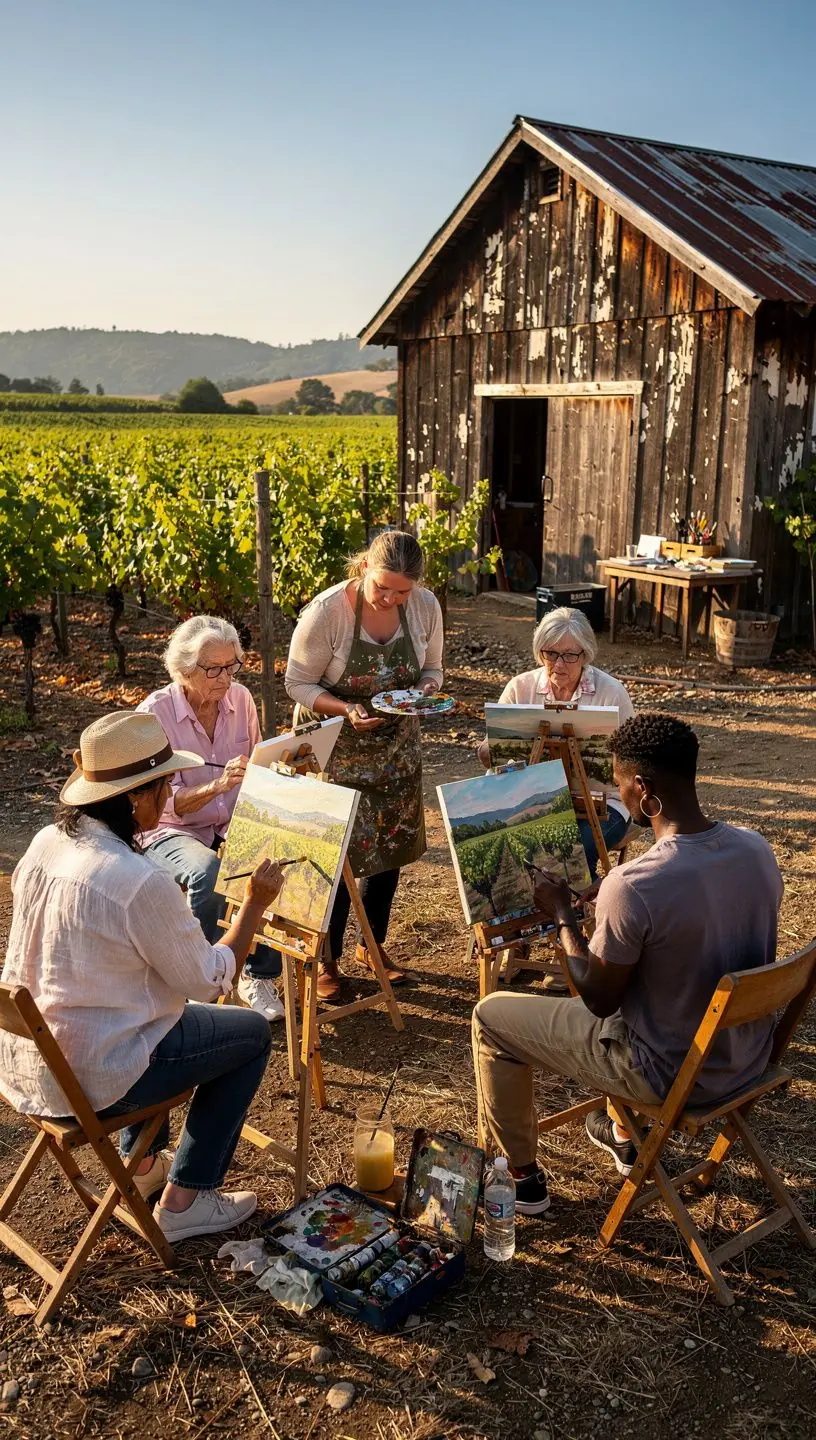
"Experimenting with different painting techniques allows artists to expand their creative horizons and refine their style." - Art Educator
Common Techniques Explored in Workshops
Many painting workshops feature techniques that are suitable for beginners and experienced artists. Here are a few methods often covered:
- Acrylic Pouring: This technique involves mixing acrylic paint with a pouring medium to create stunning abstract art. Many users report that this technique is accessible and allows for vibrant results with less technical skill.
- Watercolor Techniques: Workshops typically introduce wet-on-wet and wet-on-dry methods for producing varied textures and effects. This is effective because the water alters the pigment's flow, creating softer transitions.
- Oil Painting Glazing: This method relies on layering transparent paint to achieve depth and luminosity. It can take some time to master, often requiring multiple sessions to see the full effects.
Why These Techniques Matter
Understanding different painting techniques is essential for artists who wish to broaden their capabilities. Each method offers unique benefits:
- Enhancement of Skills: By trying various techniques, artists can improve their brushwork, color mixing, and composition skills.
- Flexibility in Style: Learning multiple techniques allows artists to adapt their style based on the subject matter or emotional intent.
- Portfolio Development: Workshops often provide opportunities to create works for exhibitions, allowing participants to build a diverse portfolio.
Setting Realistic Expectations
While exploring different painting techniques can be rewarding, it's important to acknowledge the time and dedication required. Many workshops span several weeks, with sessions typically lasting 2-3 hours each. Participants should be prepared to practice regularly to see significant improvement.
Conclusion
Participating in painting workshops focused on various techniques can be a transformative experience for artists. By engaging with a range of methods, you can enhance your skills, develop your style, and create a portfolio of work suitable for exhibitions. Remember to approach these workshops with an open mind and a willingness to experiment, as growth often comes from stepping outside your comfort zone.