What to Expect in a Guided Painting Session
Guided painting sessions offer a unique opportunity for both novices and experienced artists to explore their creativity in a structured environment. This article details what you can expect during these sessions, highlighting the educational value and practical insights that can enhance your painting experience.
Understanding the Structure of a Guided Painting Session
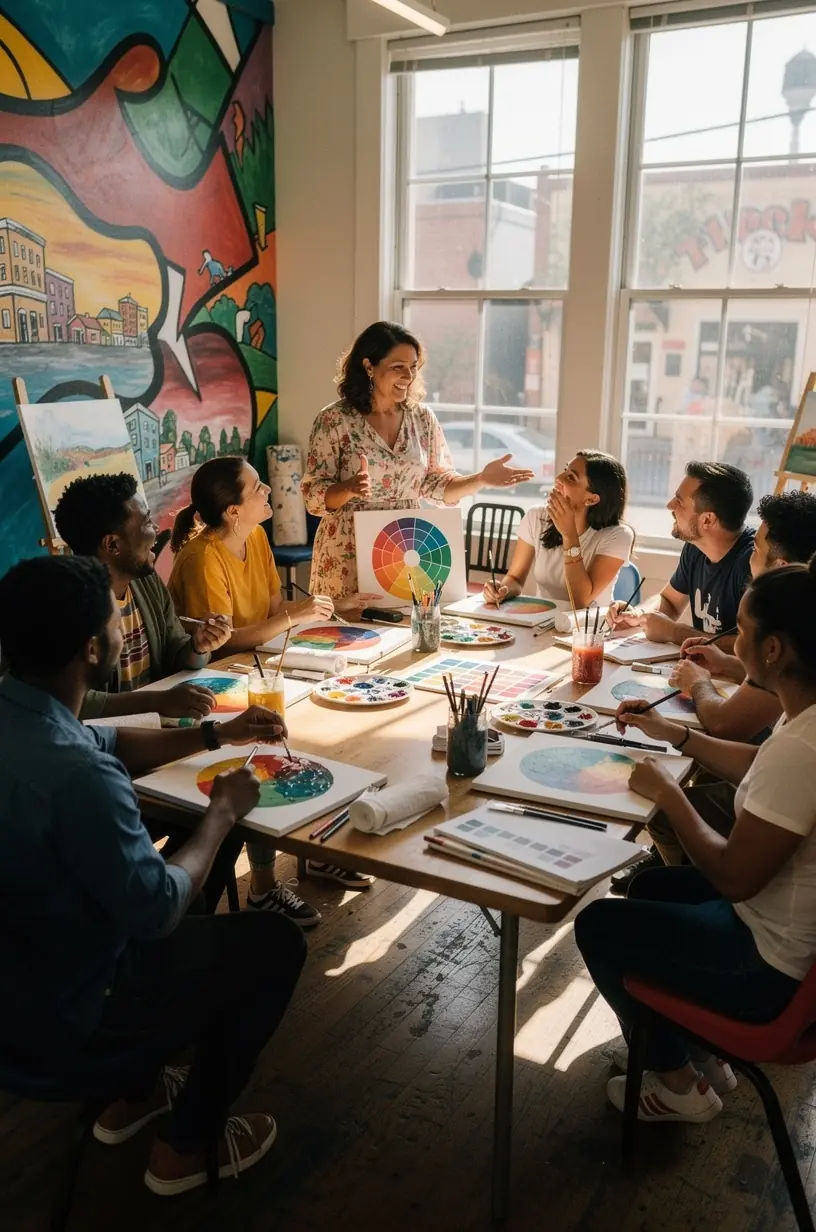
In most cases, guided painting sessions typically follow a structured format that provides participants with clear instructions while allowing room for personal expression. According to art education experts, this dual approach fosters creativity while providing foundational skills. The session usually begins with a brief introduction to the chosen painting technique or style, along with the materials that will be used.
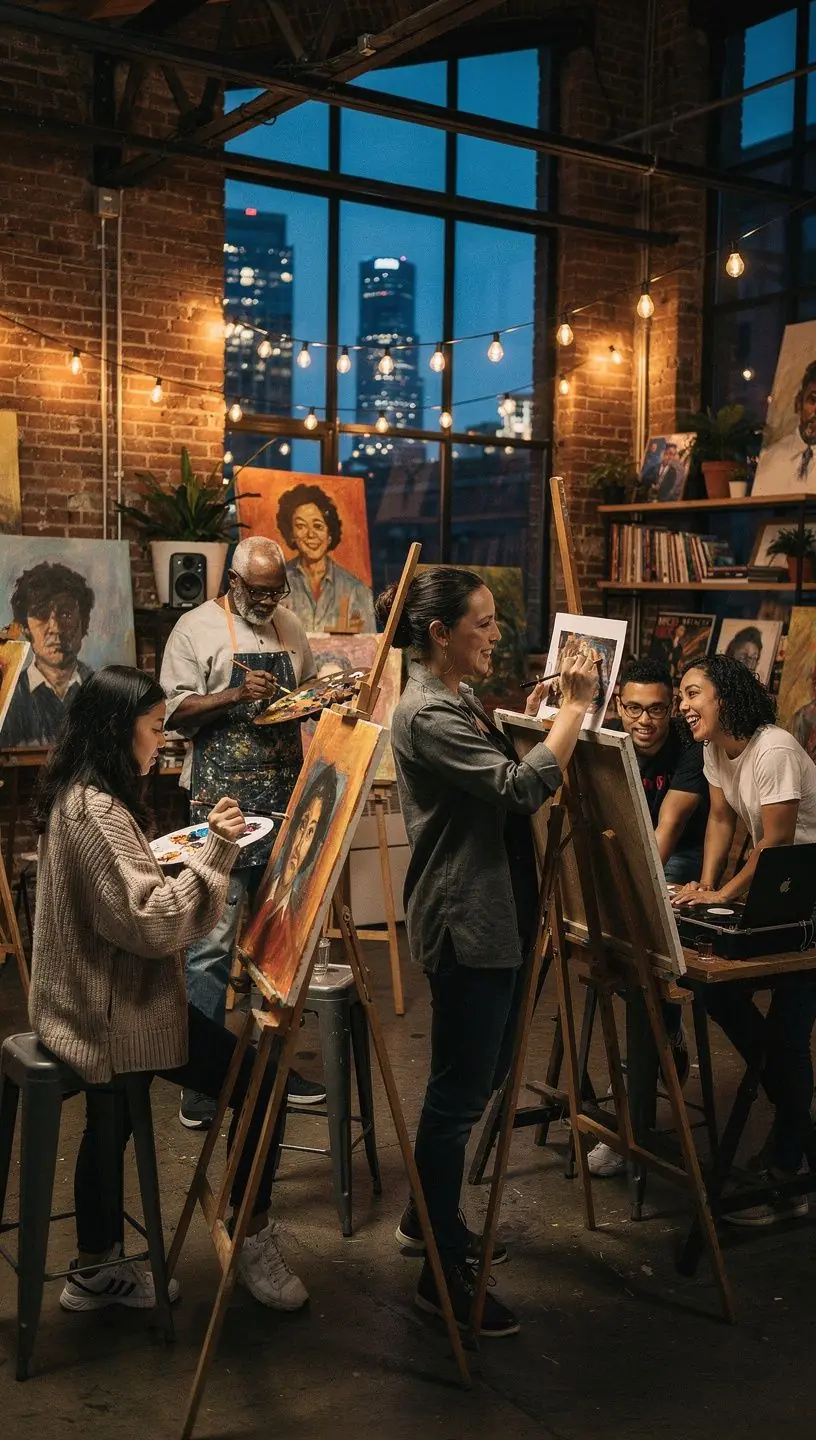
"Guided sessions can help improve your skills by providing expert insights and structured practice." - Art Education Expert
What You Will Learn
During a guided session, participants can expect to learn several key aspects of painting:
- Techniques: Expect to gain insights into various painting techniques such as blending, layering, and brushwork. Many users report improvements in their technique after just a few sessions.
- Color Theory: Understanding color mixing and harmony is crucial. Research indicates that a solid grasp of color theory can enhance the overall quality of your artwork.
- Composition: You will learn how to arrange elements within your painting effectively. Experts suggest that a good composition can significantly impact the viewer's perception of the artwork.
Personalized Guidance
One of the main benefits of participating in a guided painting session is the personalized feedback you receive. Instructors are typically experienced artists who can identify areas for improvement and suggest tailored techniques. This level of guidance often helps participants make noticeable progress in their skills.
Materials and Preparation
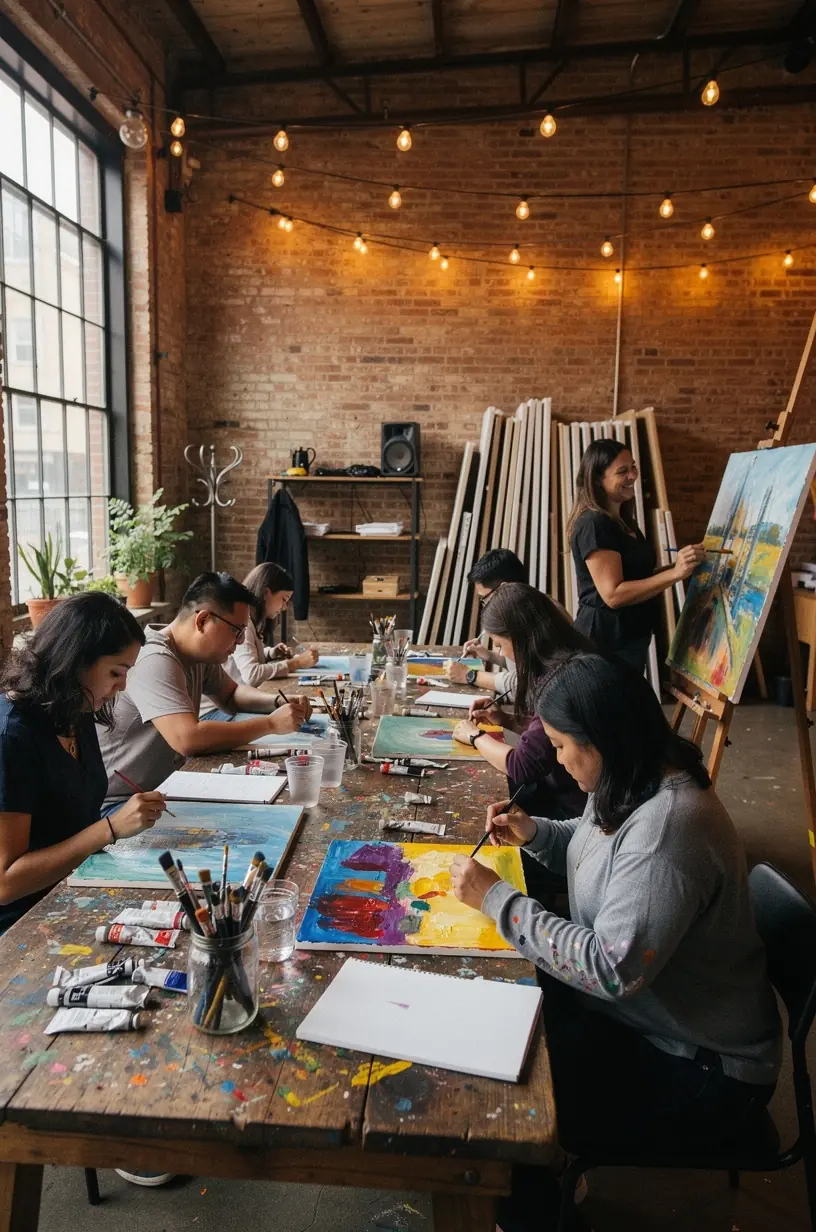
Most workshops provide necessary materials, such as canvases, paints, and brushes, but it's crucial to check in advance what is included. Participants are often encouraged to bring their own materials if they have specific preferences. This is beneficial as it allows individuals to get comfortable with the tools they will use in future projects.
Time Commitment and Expectations
Typically, a guided painting session lasts between 2 to 3 hours. However, it's essential to keep in mind that mastering painting skills requires continuous practice beyond just one session. Many participants find that consistent attendance over several weeks can lead to significant improvements in their artwork.
Opportunities for Exhibition
Some workshops also offer opportunities to exhibit your work at the end of a series. This can be an exciting chance to showcase your progress and receive constructive feedback from peers and instructors. Experts recommend taking advantage of these opportunities for personal growth and confidence-building.
Conclusion
Guided painting sessions can provide a structured yet flexible environment for individuals to explore their artistic capabilities. By understanding what to expect, including the techniques you will learn and the type of guidance available, you can maximize your experience. Remember, while these sessions can significantly enhance your skills, consistent practice will be essential for long-term improvement.