Understanding the Creative Process in Painting
The creative process in painting is a fascinating journey that often involves exploration, experimentation, and expression. Understanding this process not only enhances artistic skills but also provides valuable insights for those interested in painting workshops.
Understanding the Basics of Creativity
The creative process in painting typically goes through several stages: inspiration, ideation, execution, and reflection. Research indicates that allowing yourself to navigate through these stages can lead to greater satisfaction and success in your artwork. According to creativity experts, embracing the unpredictability of creativity can yield innovative results.
"Creativity is not a talent; it's a way of operating." – John Cleese
The Stages of the Creative Process
Each stage in the painting process requires different skills and mindsets:
- Inspiration: This often comes from various sources such as nature, music, or personal experiences. Many artists report that keeping a sketchbook helps capture fleeting ideas.
- Ideation: Brainstorming ideas and planning your composition is crucial. Studies show that artists who spend time on this stage often produce more coherent and engaging works.
- Execution: This is where the painting comes to life. It's important to remember that this stage typically requires a commitment to practice and patience, as the desired results may not be immediate.
- Reflection: After completing a painting, taking the time to reflect on what worked and what didn’t is vital. Experts recommend reviewing your work critically to improve future pieces.
Practical Strategies for Enhancing Your Creative Process
To make the most of your painting experience, consider the following approaches:
- Set Aside Dedicated Time: Regular painting sessions, even for just 30 minutes a few times a week, can significantly enhance your skills over time.
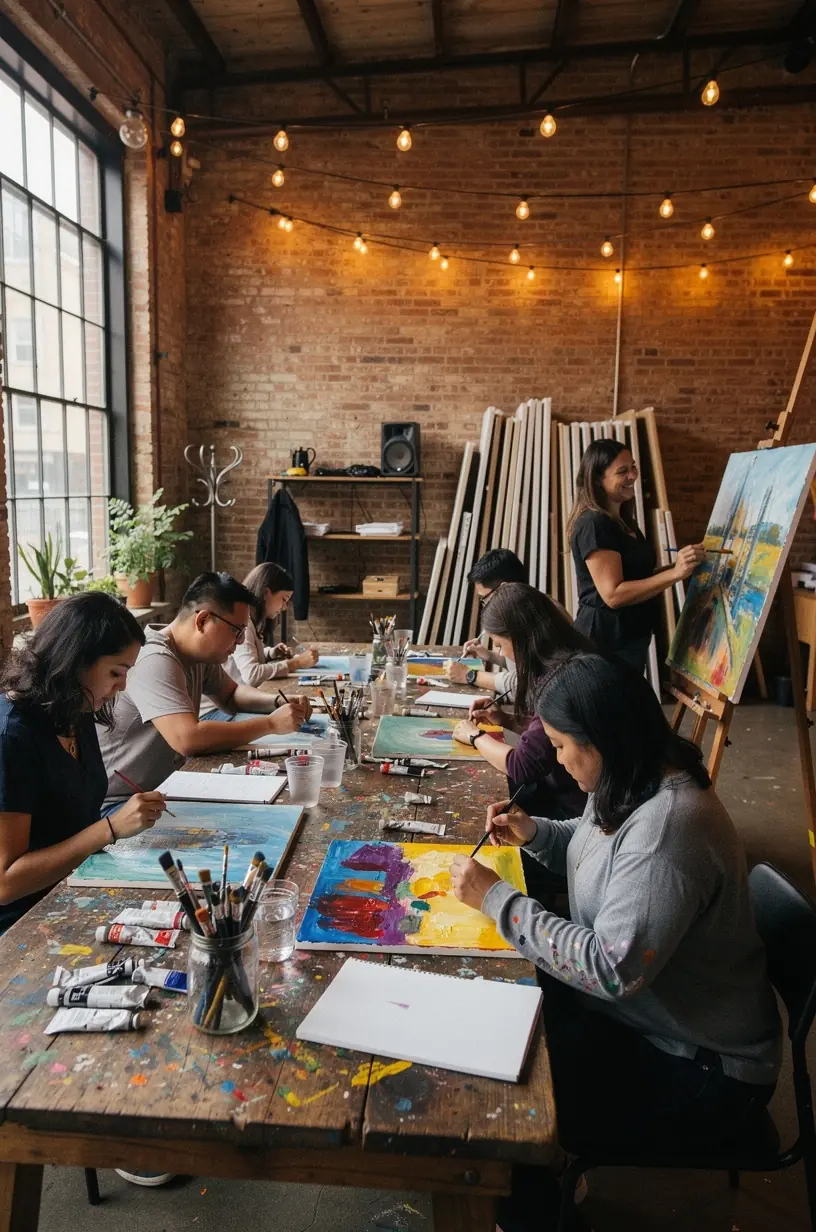
- Engage in Workshops: Participating in guided painting workshops can provide structured feedback and expose you to new techniques that may improve your creativity.
- Experiment Freely: Don't be afraid to try new materials or styles. Many artists find that experimentation can lead to unexpected breakthroughs.
Conclusion
Understanding the creative process in painting involves recognizing the stages involved and the skills necessary for each. By embracing this journey and participating in workshops and guided sessions, you can enhance both your creativity and technical abilities. Remember, the outcomes may vary, but the insights gained along the way are invaluable.