The Role of Guidance in Artistic Development
Participating in painting workshops can provide invaluable support for budding artists. This article explores the importance of guidance in artistic growth, including how structured feedback and expert instruction can enhance skill development and creative expression.
Understanding the Basics of Artistic Guidance
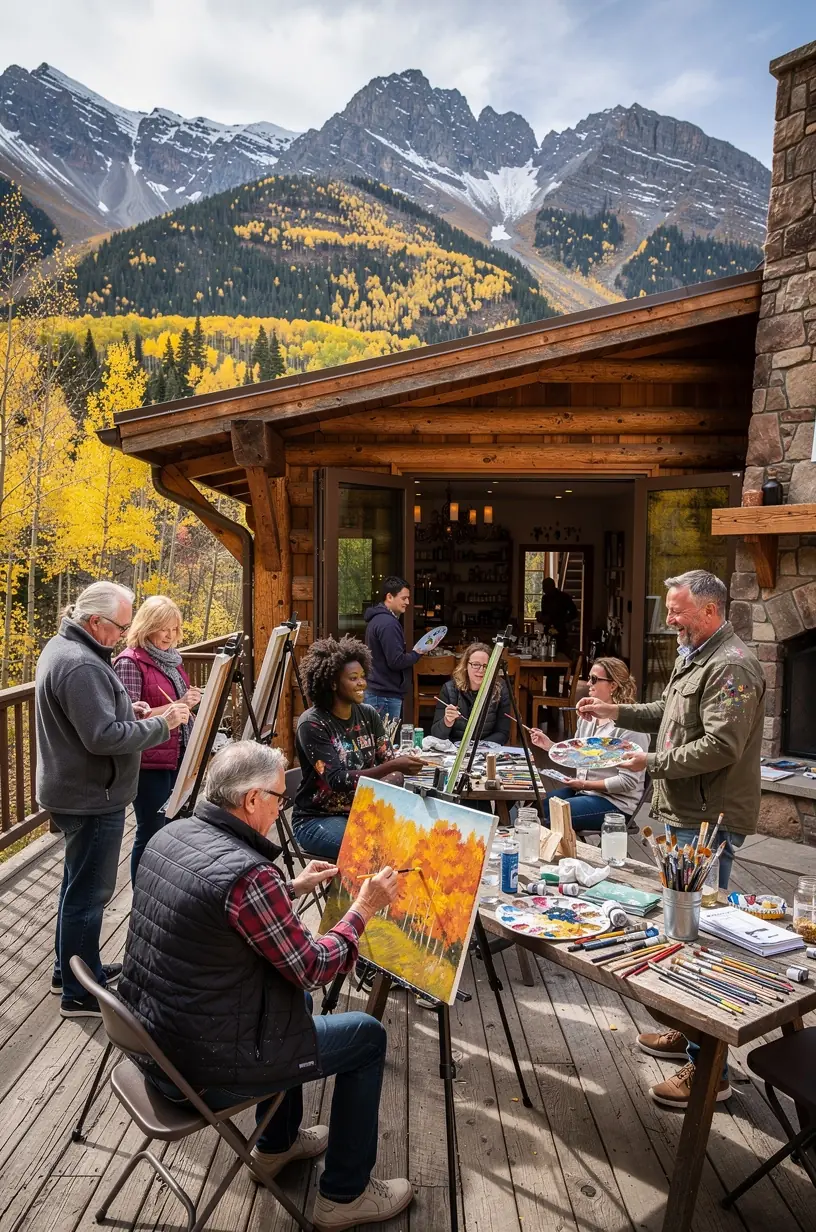
Artistic development is often a multifaceted journey that requires both practice and direction. According to research in educational psychology, learners typically show greater improvement when they receive constructive feedback and guidance from experienced mentors. This is particularly evident in art, where technique, creativity, and personal expression are critical components that can be nurtured effectively through guided sessions.
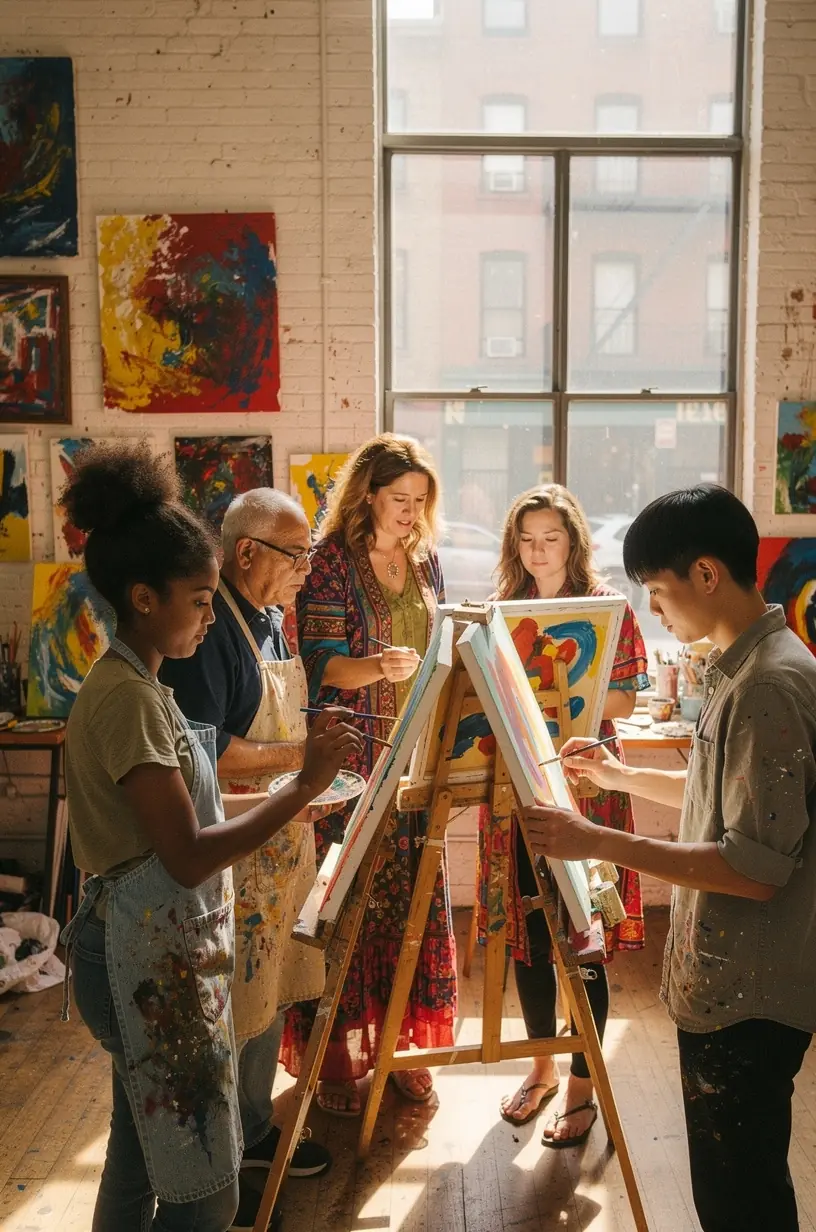
"The right guidance can often be the difference between stagnation and growth in an artist's journey."
How Guidance Enhances Artistic Skills
Guidance in painting workshops serves several purposes:
- Structured Learning: Courses typically follow a curriculum that builds foundational skills, ensuring that participants learn essential techniques in a logical order.
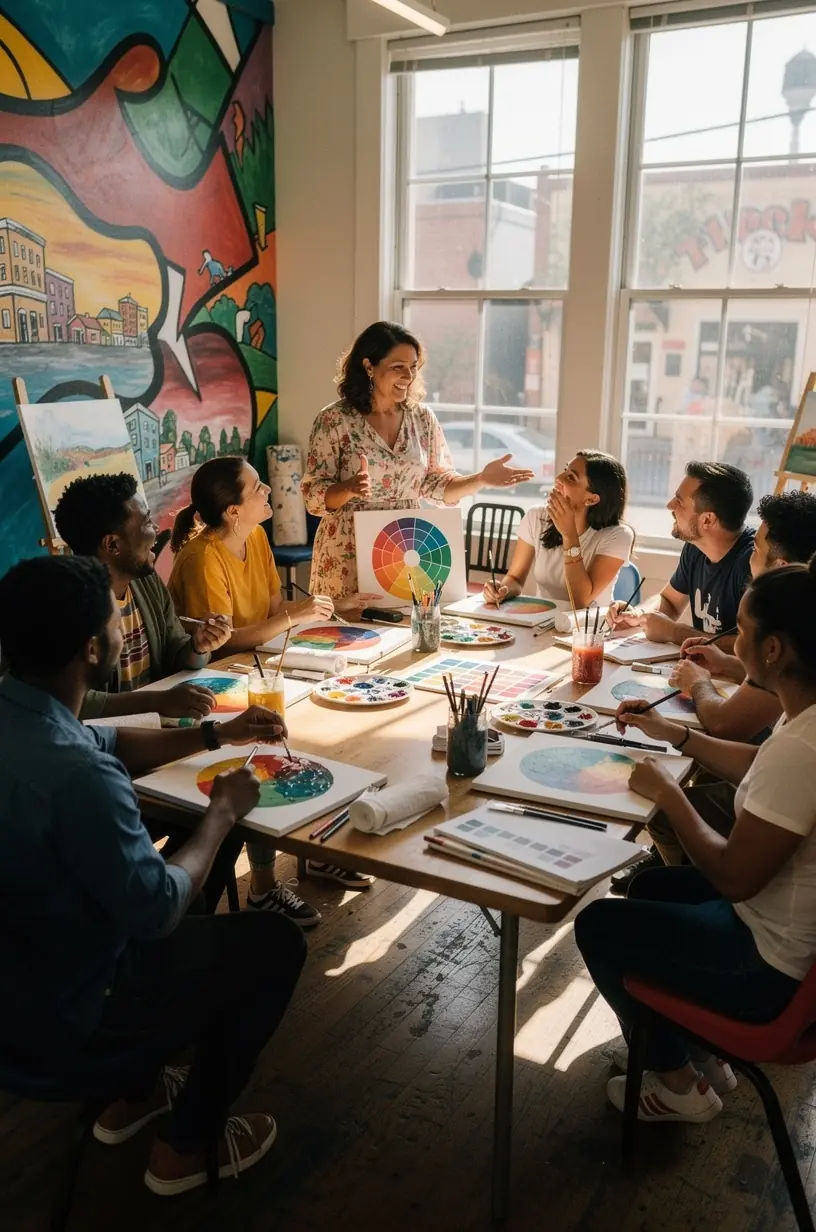
- Personalized Feedback: Instructors can provide tailored critiques, helping artists identify their strengths and areas for improvement. Studies show that individuals who receive regular, specific feedback often report higher levels of satisfaction and progress.
- Exposure to Diverse Techniques: Workshops often introduce various styles and methods, allowing artists to experiment and discover what resonates with them personally.
The Importance of Exhibition Opportunities
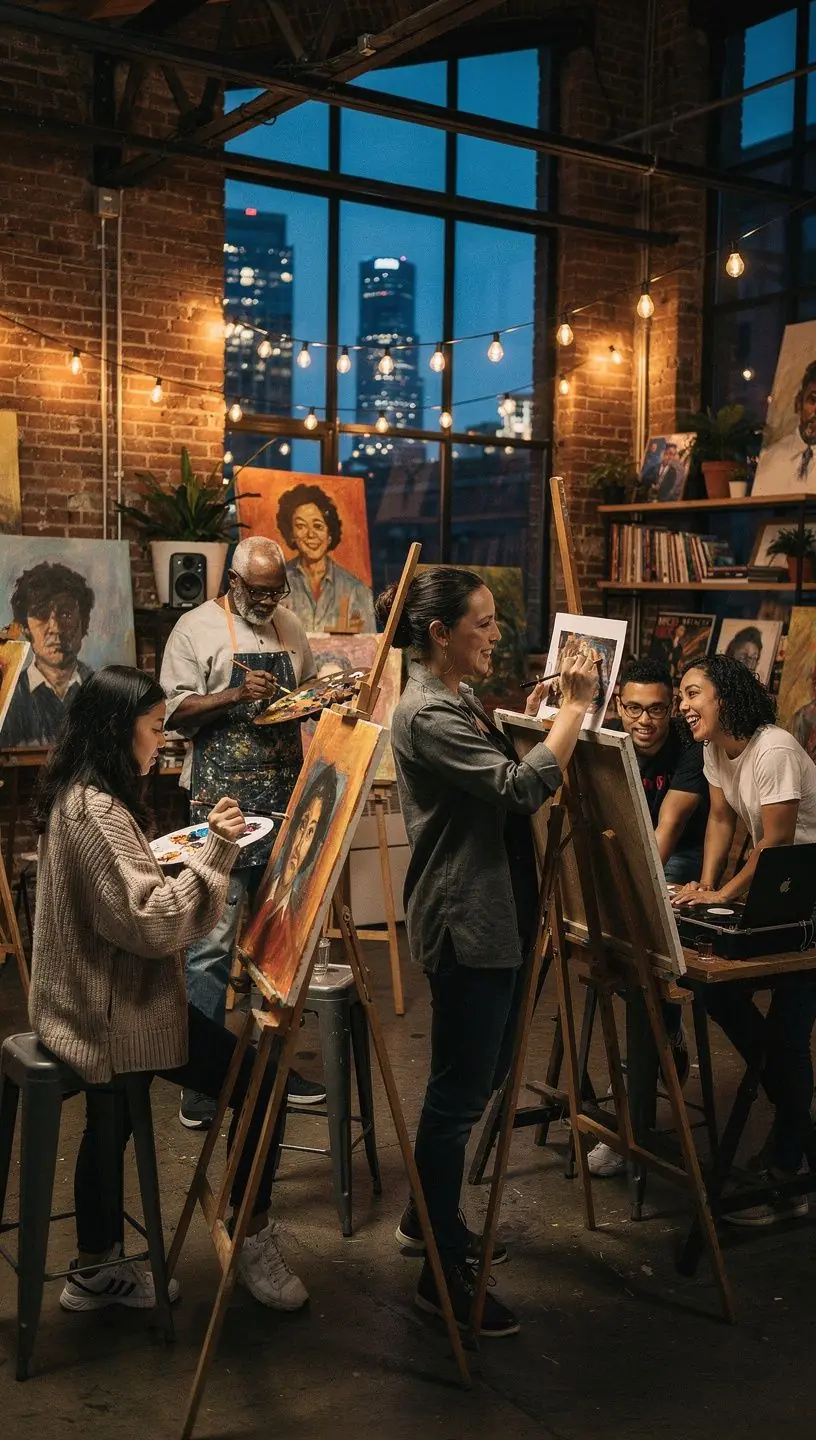
One significant advantage of participating in guided painting workshops is the potential for exhibition opportunities. Presenting work in a public forum can help artists:
- Build confidence in their artistic abilities.
- Receive feedback from a broader audience, which can be more diverse and enriching.
- Network with other artists and industry professionals, fostering community connections that can lead to future collaborations.
Experts recommend that emerging artists seek out these opportunities as they can often lead to critical recognition and further career advancements. However, it’s important to recognize that participation in such exhibitions requires a commitment to refining one’s work and often involves ongoing practice and dedication.
Acknowledging Limitations and Setting Realistic Expectations
While guided painting sessions can be incredibly beneficial, they also come with certain limitations. Depending on the workshop structure:
- Some programs may require prior knowledge of basic painting techniques, which can be a barrier for complete beginners.
- Time commitments vary, often requiring participants to dedicate several hours per week for the best results. Learning to paint effectively typically takes time, and many users report that significant improvement is usually evident after 3-6 months of consistent practice.
Additionally, participants must be open to feedback and willing to step outside their comfort zones, as this is where true growth occurs.
Conclusion: Embracing the Journey of Artistic Development
Engaging in painting workshops with a focus on guided sessions can be a transformative experience for artists at all levels. By understanding the role of guidance, one can appreciate how it enhances skill development and encourages creative expression. While results typically take time and effort, the journey of artistic growth is both rewarding and enriching, paving the way for future opportunities in the art world.
Learn More