Building Community Through Group Art Workshops
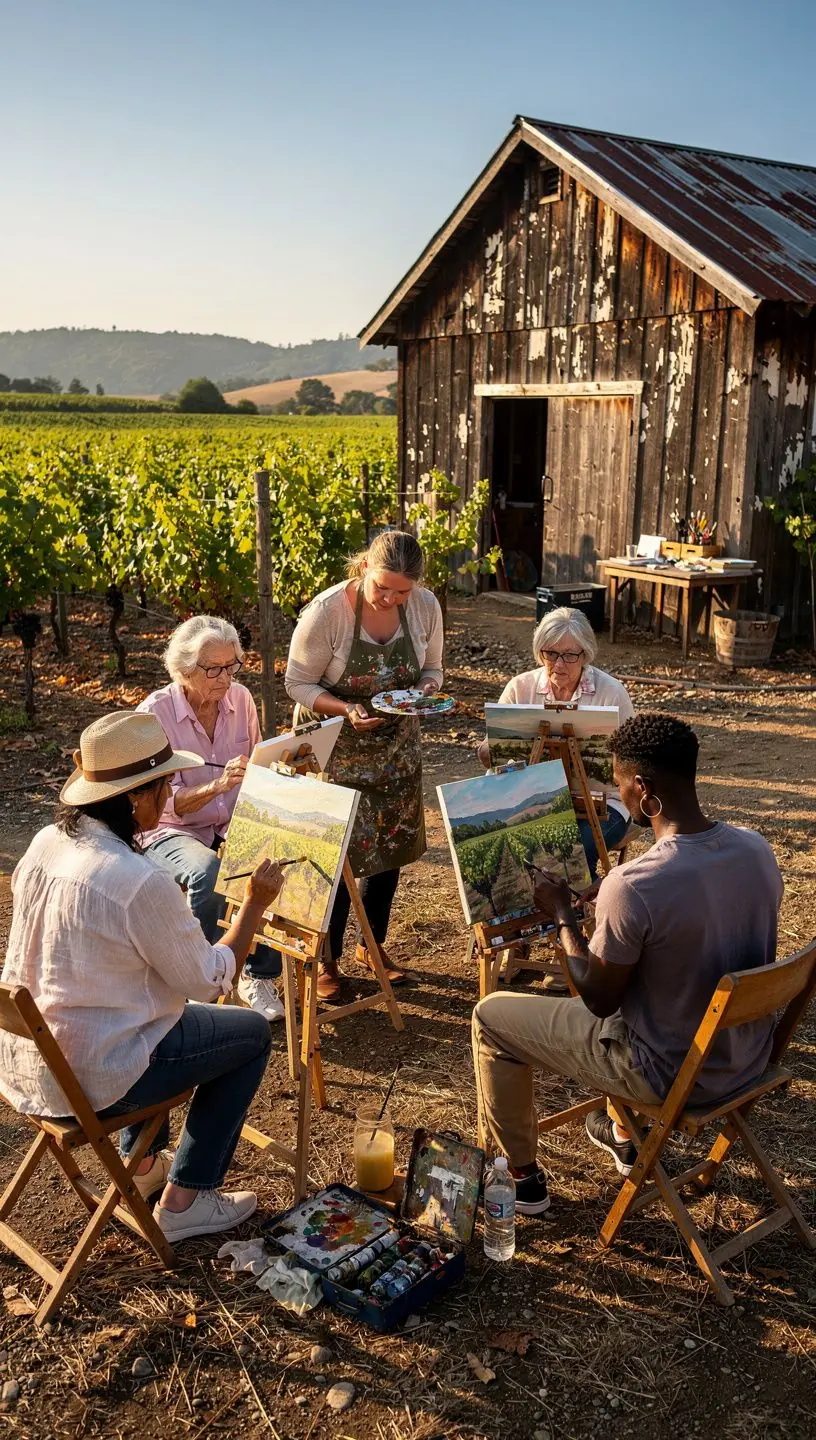
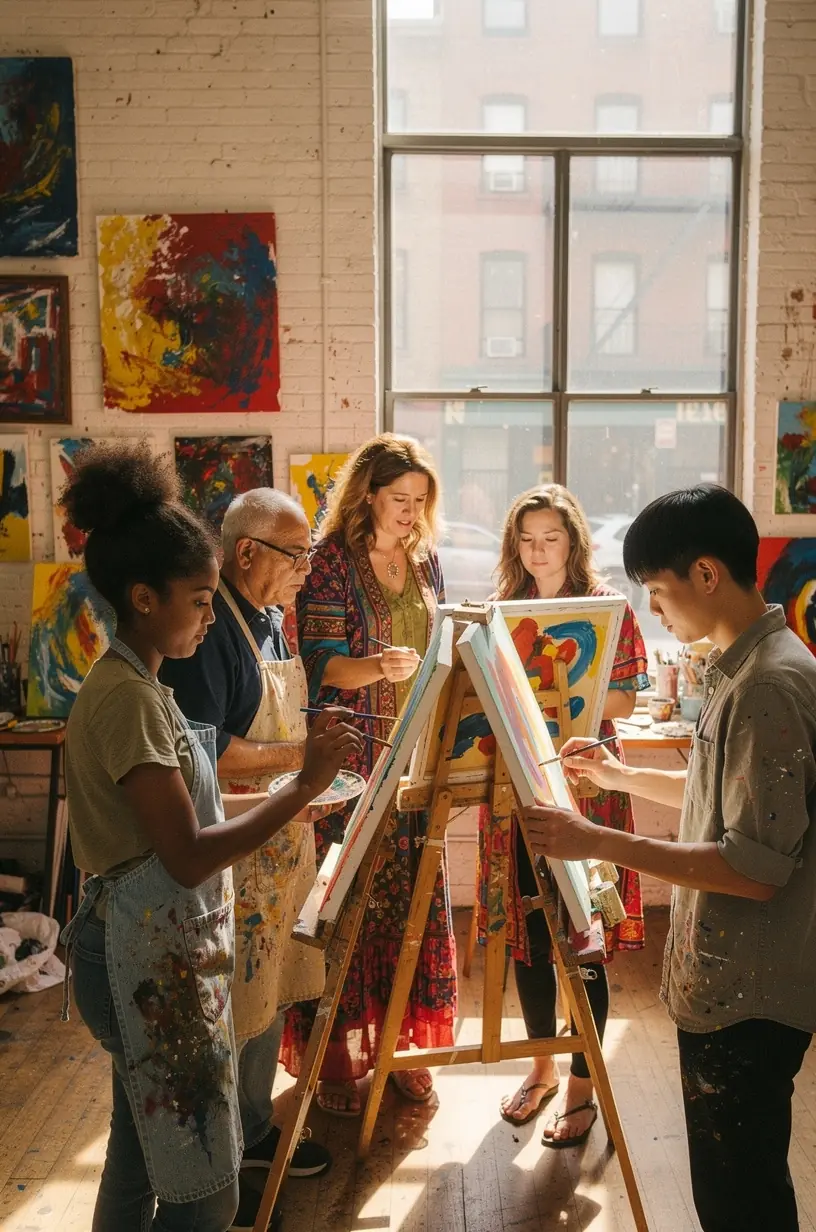
Art has long been a medium for expression, but it also plays a crucial role in fostering community. Group art workshops provide an effective platform for individuals to come together, share experiences, and create meaningful connections while enhancing their artistic skills.
Understanding the Value of Community in Art
According to research, engaging in collaborative art activities can significantly boost emotional well-being and social interaction. Studies show that group workshops often lead to improved mental health outcomes, as participants report feeling less isolated and more connected to others. This is particularly important in today’s fast-paced digital world, where many individuals experience loneliness.
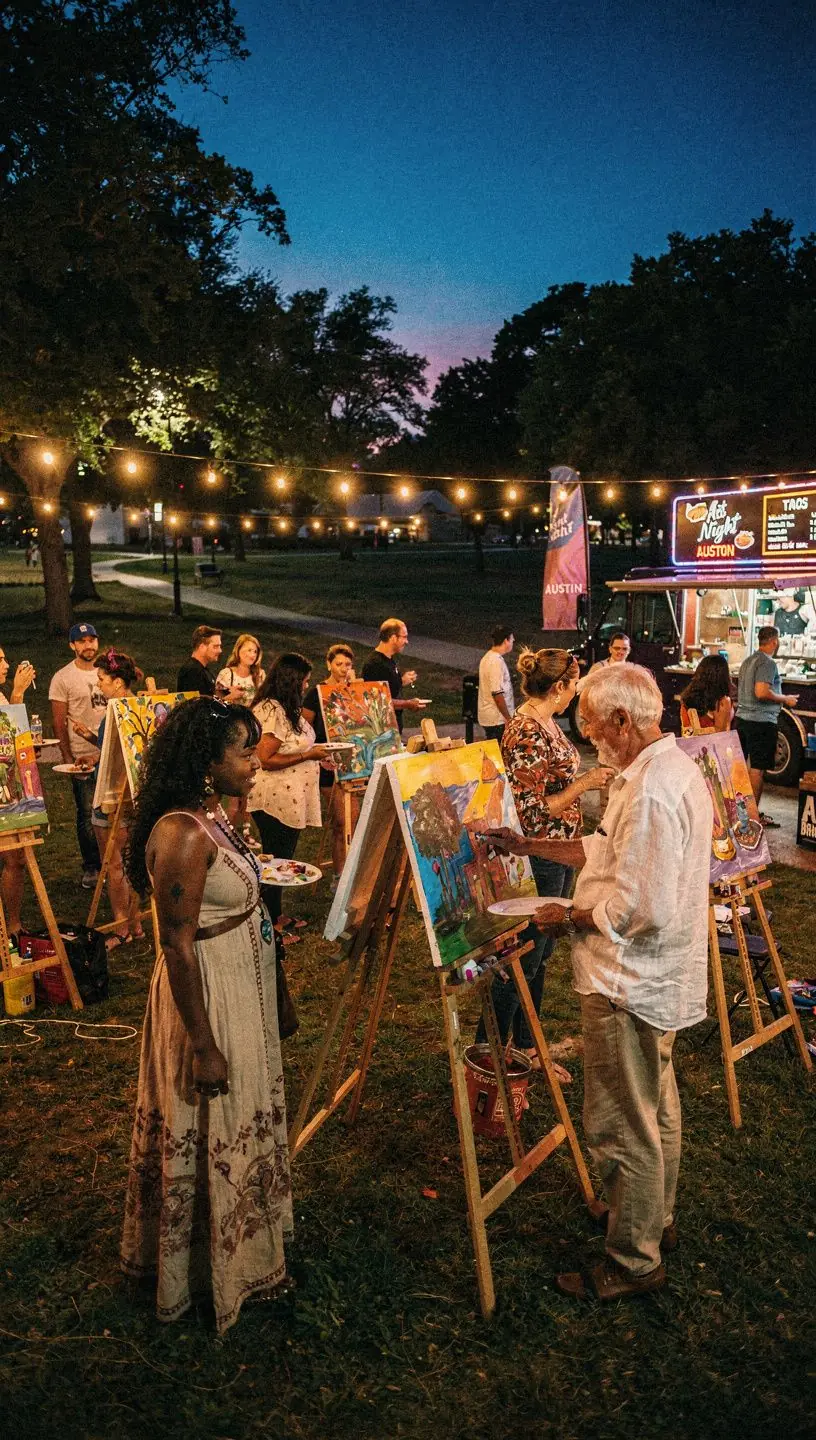
"Art can be a powerful vehicle for connection, helping individuals build relationships and find common ground through shared creativity."
How Group Art Workshops Work
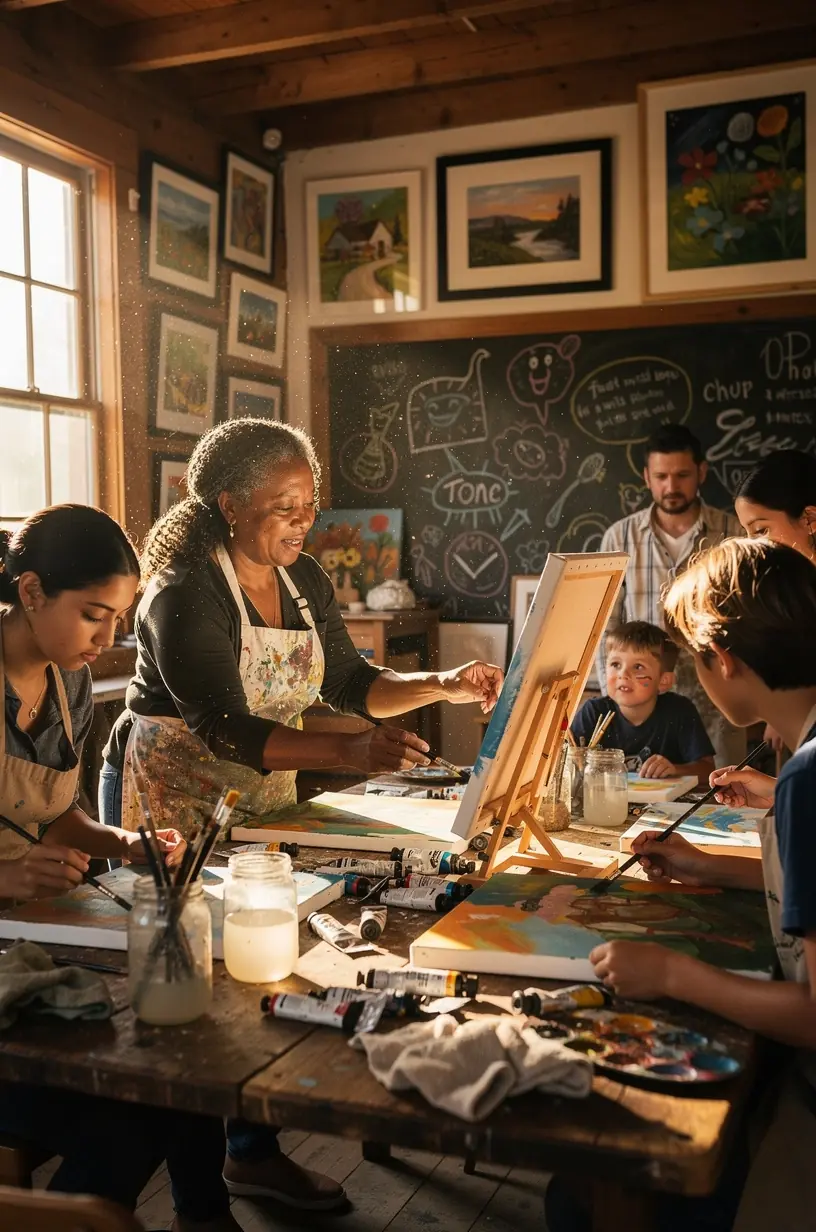
Group art workshops typically involve guided sessions led by experienced instructors. These workshops encourage collaboration and provide a structured environment in which participants can explore various artistic techniques. The process generally includes:
- Introduction to Techniques: Instructors often introduce participants to different artistic mediums, such as watercolors, acrylics, or mixed media. This foundational knowledge helps individuals build confidence in their abilities.
- Collaborative Projects: Participants may work together on a communal art piece, fostering teamwork and communication. This collaborative aspect can enhance the overall experience, as individuals share ideas and techniques.
- Exhibition Opportunities: Many workshops culminate in exhibitions where participants can showcase their artwork. This not only provides a sense of achievement but also strengthens community bonds as participants celebrate each other’s creativity.
Benefits of Participation
Participating in group art workshops can yield multiple benefits, including:
- Skill Development: Individuals typically improve their artistic skills through hands-on practice and constructive feedback from peers and instructors.
- Social Connections: Many users report forming lasting friendships with fellow participants, which can lead to ongoing support and collaboration beyond the workshop environment.
- Emotional Expression: Engaging in creative activities often allows individuals to express emotions that they may struggle to communicate verbally.
Setting Realistic Expectations
It's important to understand that while group workshops can be highly rewarding, they typically require a commitment of time and effort. Participants may find that:
- Workshops usually span several weeks, often requiring attendance at weekly sessions.
- Individuals may need to invest time outside of sessions to practice techniques learned during workshops.
- Results in terms of skill improvements may take time, with noticeable progress often emerging after consistent practice over several months.
Conclusion
Group art workshops are not just about creating art; they represent a unique opportunity to build community and foster connections. By participating, individuals can enhance their artistic abilities while enjoying the emotional and social benefits that come from collaborating with others. These workshops serve as a reminder that creativity can be a powerful tool for connection, bridging gaps and bringing people together.